
How to Choose the Right Power Adapter for Your Device
Choosing the right power adapter is essential for product safety, stable performance, and long-term reliability.
1/22/20261 min read
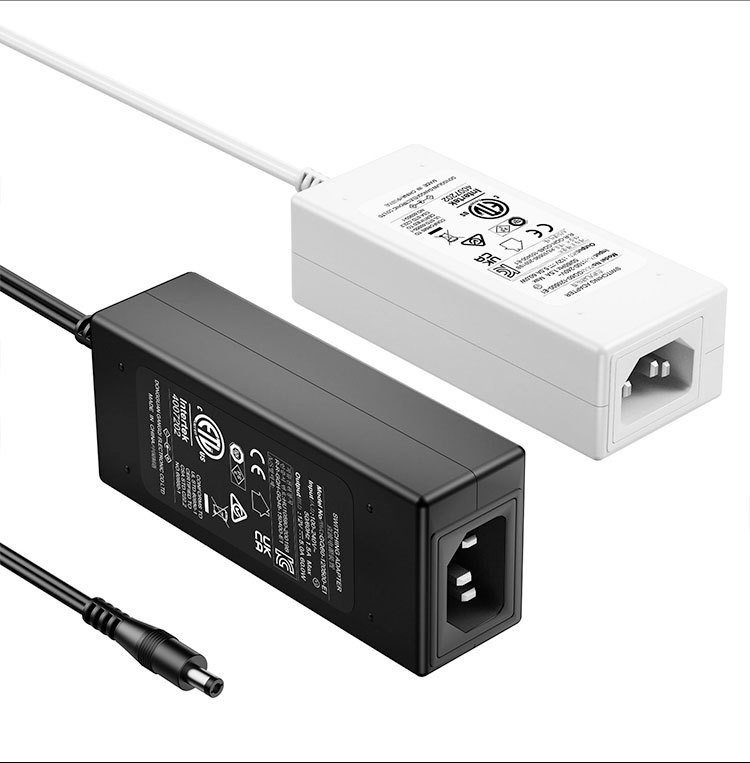
Using the wrong adapter may cause overheating, unstable operation, reduced lifespan, or even equipment damage. For OEM brands and equipment manufacturers, selecting the correct AC/DC power adapter starts with understanding four key factors.
1. Match the Output Voltage
The adapter’s output voltage must match the device requirement exactly.
Using a higher or lower voltage can affect performance or damage sensitive electronics. Always check the product label or technical specifications before selecting an adapter.
2. Check the Output Current and Power
The adapter should provide equal or higher current (A) than the device requires.
Power is calculated as:
Watts (W) = Voltage × Current
Choosing sufficient power capacity helps ensure stable performance and improves product reliability.
3. Confirm Connector Size and Polarity
Even with the correct voltage, the adapter may not work if the DC connector size or polarity is incorrect.
Always verify barrel size and polarity configuration to avoid compatibility issues or device damage.
4. Choose Certified and Reliable Adapters
For global markets, choose adapters with certifications such as UL, CE, FCC, UKCA, KC, or PSE.
Features like 100–240VAC universal input, stable output, and built-in protections (OVP/OCP/SCP/OTP) help improve safety and long-term reliability.
Choosing the right power adapter is not only about compatibility—it also helps reduce failures, improve product performance, and ensure compliance in global markets.
Email: jackie@gjpowers.com
Tel: +86 15817759703
© 2026 Dongguan GangJie Electronics Co., Ltd. All Rights Reserved.




Add: No. 13 Maoye Road, Changxiang Village, Hengli Town, Dongguan, Guangdong, 523460, China




Trusted OEM & ODM power adapter
manufacturer for global B2B
customers since 2004.
COMPANY
COMPANY
Applications
Audio/Video
Energy Storage Equipment
Home Appliances
Industrial Equipment
Medical Devices
SecurityEquipment
QUICK CONTACT
24H Response Time