
Waterproof vs Water-Resistant Power Supply: Key Differences
Learn the difference between waterproof and water-resistant power supplies and how to choose the right AC/DC power solution for indoor and outdoor applications.
5/8/20241 min read
Powerful design.
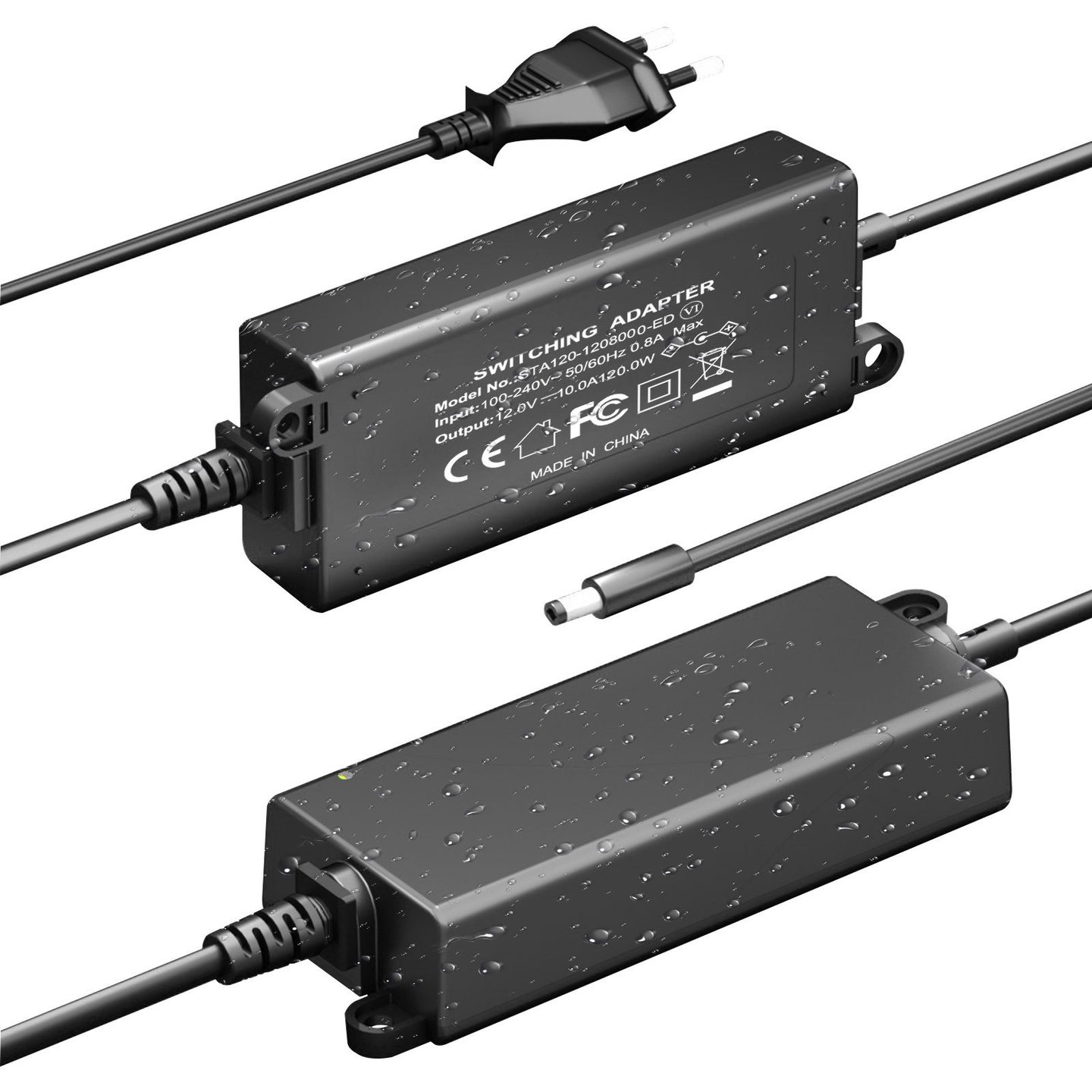
Waterproof vs Water-Resistant Power Supply: What’s the Difference?
When selecting a power solution for outdoor or harsh environments, understanding the difference between a waterproof power supply and a water-resistant power supply is essential.
Although the two terms are often used interchangeably, they are not the same. The key difference lies in the level of protection against water and environmental exposure.
A water-resistant power supply is designed to resist light moisture, humidity, dust, or occasional splashes. It is commonly used in indoor or semi-protected environments such as LED lighting, security systems, and smart home devices where direct water exposure is limited.
A waterproof power supply, however, offers a much higher level of protection. These power supplies are typically built with sealed enclosures and higher IP ratings, such as IP65, IP67, or IP68, making them suitable for outdoor LED lighting, CCTV systems, industrial equipment, marine applications, and harsh environments. Higher IP ratings indicate stronger resistance to dust and water exposure.
For OEM brands and equipment manufacturers, choosing the right power supply depends on the installation environment, protection requirements, and long-term reliability expectations.
When sourcing a waterproof AC/DC power supply, consider key factors such as IP protection level, operating environment, safety certifications, and stable performance to ensure product durability and compliance in global markets.
Email: jackie@gjpowers.com
Tel: +86 15817759703
© 2026 Dongguan GangJie Electronics Co., Ltd. All Rights Reserved.




Add: No. 13 Maoye Road, Changxiang Village, Hengli Town, Dongguan, Guangdong, 523460, China


Trusted OEM & ODM power adapter
manufacturer for global B2B
customers since 2004.
COMPANY
COMPANY
Applications
Audio/Video
Energy Storage Equipment
Home Appliances
Industrial Equipment
Medical Devices
SecurityEquipment
QUICK CONTACT
24H Response Time